Oilfield Contamination: Understanding the Risks and Legal Solutions
The oil and gas industry plays a crucial role in the global economy, providing energy for industries, homes, and transportation. However, the process of extracting and processing these resources can have significant and long-lasting negative impacts on the environment. One such impact is oilfield contamination, which damages ecosystems, threatens public health, and creates complex legal issues for landowners, workers, and companies operating in the energy sector.
In Texas, particularly in the Houston area, which is the undisputed center of American oil and gas activity, oilfield contamination is a present and ongoing reality. Dealing with its consequences requires immediate and informed action from all parties involved, guided by skilled legal and technical experts.

Meet Ryan Parks: Founder & Attorney
What is Oilfield Contamination?
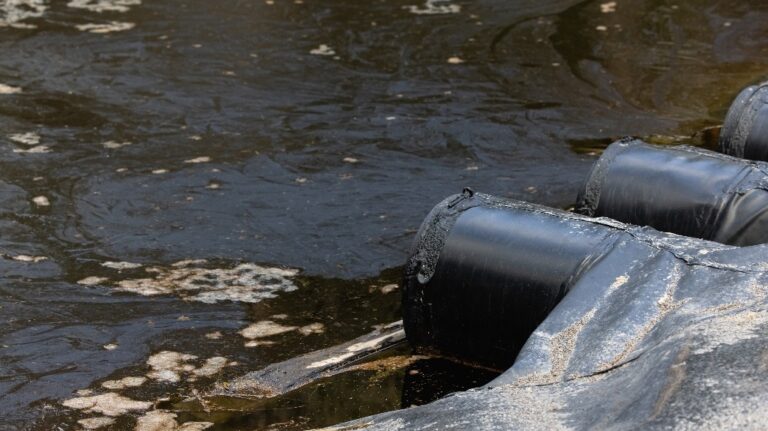
Oilfield contamination refers to the release of harmful substances into the environment during various stages of oil and gas production, including exploration, drilling, extraction, transportation and disposal of waste. This pollution is usually not the result of a single large-scale incident but rather the cumulative effect of smaller more gradual issues, such as slow corrosion of pipelines, inadequate well casings, leaching from unprotected waste pits and improper handling of drilling waste.
The pollutants involved in hydraulic fracturing are numerous and potentially harmful:
- Hydrocarbons, such as crude oil, diesel fuel, and other petroleum products
- Heavy metals, including lead, arsenic, mercury, and others that are naturally present in subsurface formations and can be released into the environment with produced water
- Fracking fluids, which are complex mixtures of chemicals, including some proprietary and potentially toxic substances, used during the hydraulic fracturing process
- Produced water, a saline, mineral-rich liquid that is a byproduct of oil and gas extraction and can contain elevated levels of salt, radioactive materials like radium, and residual hydrocarbons
- Naturally occurring radioactive materials, or NORM, which can include concentrated scale and sludge from pipes and equipment
When mismanaged, these substances can migrate through soil and rock, contaminating underground water sources – the primary source of drinking water for many rural communities – and rendering surface land unusable for agriculture or recreation. The consequences are severe and far-reaching: families face health risks from contaminated water wells, farmers suffer crop losses and livestock deaths, property values decrease, and local ecosystems deteriorate for decades.
The Human and Ecological Toll: Beyond the Spill
The impact of oilfield contamination goes far beyond environmental concerns; it poses a direct threat to human health. Long-term exposure to pollutants such as benzene (a known carcinogen found in crude oil) and hydrogen sulfide can lead to respiratory problems, neurological disorders, and cancer.
Communities located near oil production sites or downwind from contaminated groundwater often report clusters of health issues, leading to public health crises that can be difficult to definitively link to a specific pollutant without rigorous legal and scientific investigation. In addition, the stigma associated with contamination can hinder local economies, discouraging investment and development even after obvious signs of pollution have been addressed.
What Landowners in the Houston Area Need to Know About Oilfield Contamination in Texas
Navigating Oilfield Contamination Issues in Texas, Houston
Texas hosts some of the most productive oil fields in the country, which makes it a common location for contamination incidents. Houston, the “Energy Capital of the World”, compounds this risk due to its high concentration of refineries, petrochemical plants, pipeline networks, and storage facilities. The city’s industrial presence creates a landscape where pollution from decades-old operations interacts with current infrastructure, complicating liability and cleanup efforts.
Awareness and regulation have developed. Agencies such as the Texas Railroad Commission (RRC) and the Texas Commission on Environmental Quality (TCEQ), which regulate oil and gas drilling and enforce rules on waste disposal, spill reporting, and clean-up, have been established. However, these agencies often prioritize continued production, and enforcement can be inconsistent. In addition, the burden of proof and responsibility for taking action often falls on the affected parties.
For landowners, workers and businesses facing contamination, the journey from discovery to remediation and compensation can be challenging. The process involves multiple steps, including conducting independent environmental testing, reporting violations to state agencies, engaging in negotiations with operators and insurers and, if necessary, pursuing legal action. Each step requires technical knowledge to understand the extent of contamination and legal expertise to effectively assert one’s rights.
The Unique Challenges of Houston’s Energy Hub
Houston’s status as a global energy hub poses unique challenges when it comes to contamination. Urban encroachment has led to residential neighborhoods and schools being located in close proximity to previously remote well pads and pipelines, a phenomenon known as “energy sprawl”. This has increased human exposure to risks and intensified land-use conflicts. Additionally, Houston’s flat topography and high water table can accelerate the spread of contaminants. The city’s susceptibility to major flooding events, such as those caused by Hurricane Harvey, can cause widespread redistribution of pollutants from industrial sites to residential areas.
Aging infrastructure is a major concern. The pipelines and storage networks beneath Houston are decades old and prone to leaks and failures. Additionally, thousands of old, abandoned or improperly sealed wells across the region pose a constant threat of underground migration of hazardous substances. Addressing this issue requires legal strategies that take into account both historical operations and current industrial activities.
Addressing Oilfield Contamination in Houston’s Energy Hub
The oil and gas industry gives Houston its prominence as an epicenter of oilfield contamination. Its strategic location at the seam between major oil fields, combined with its elaborate network of refineries and pipelines, presents both an opportunity and a challenge for the city.
For example, leaks from aging infrastructure or neglect in waste disposal processes in refineries often result in widespread contamination. In this regard, urban sprawl in Houston contributes to this problem by drawing nearby residential areas closer to industrial sites, thereby increasing the likelihood of exposure to pollutants.
At Parks Law PLLC, we know what is really going on in the dynamics of energy landscape in Houston. We work closely with environmental experts, engineers and scientists to support our clients. Using advanced technologies and data analysis, we ensure no stone is left unturned when it comes to liability and securing fair outcomes.
Why Choose Parks Law PLLC for Your Oilfield Contamination Case?
We at Parks Law PLLC specialize in representing clients who have been adversely affected by oilfield pollution. With nearly two decades of experience, we have developed a unique combination of legal and technical knowledge that sets us apart from other firms in this field. Our expertise allows us to navigate the complex legal and technical issues involved in these cases confidently and successfully.
Deep Industry Roots
Our founder, Attorney Ryan Parks, is not just a lawyer. He is a fourth-generation energy professional with formal training in petroleum engineering and geology. This insider perspective gives us a unique advantage. We understand the operational playbook and standard practices of the industry, as well as where and how failures occur.
We can analyze drilling logs, well completion reports, and pipeline integrity tests to pinpoint exactly where and when a failure occurred. This allows us to construct a strong technical narrative and challenge the defense’s experts on their own ground. In addition, we work closely with a network of independent experts, including hydrogeologists, environmental engineers, and toxicologists, to build an unbeatable case.
A Commitment to Justice
We believe that powerful corporations should be fully accountable for any harm they cause. Our mission is to ensure maximum justice for our clients, providing compensation for lost property and medical monitoring, as well as complete remediation.
We also advocate for industry-wide change by taking on cases that highlight systemic issues. By promoting safer, more transparent and sustainable energy practices, we strive not only to provide restitution for past harm but also to prevent future harm. This ensures that the economic benefits of energy do not come at the expense of people and the environment in Texas.
A Client-Centered, Strategic Approach
We understand that each case of contamination is unique, just like the land and the people involved. We provide compassionate and transparent advice, while developing effective strategies tailored to each situation. Whether through negotiation or litigation, we work hard to recover what has been lost and protect our clients’ futures.
Common Oilfield Contamination FAQs
It is the pollution of soil, groundwater, and air by harmful substances like hydrocarbons, fracking chemicals, heavy metals, and produced water from oil and gas operations.
Common causes include pipeline leaks, improper waste disposal, spills, aging infrastructure failures, and negligent handling of chemicals or produced water.
Nearby landowners, farmers, residents, workers, and local communities can suffer health issues, property damage, and economic losses.
As the nation’s energy capital, Houston’s dense concentration of refineries, pipelines, and industrial sites increases the frequency and complexity of contamination incidents.
You may pursue claims for cleanup costs, property devaluation, health impacts, and other damages against negligent operators, often under state and federal environmental laws.
Proving liability and causation requires understanding drilling, waste handling, and geology. Our background in petroleum engineering provides a critical advantage in building your case.
Related Articles
-
After the Storm: What Happens When Oil Spills Impact Houston’s Coastal Communities?
Houston knows storms. But when hurricanes barrel through the Gulf and offshore drilling platforms are damaged or pipelines rupture, the storm doesn’t end with the rain. Oil spills are a silent second wave, one that can devastate ecosystems, cripple local economies, and spark legal battles that last for years. The Legal Fallout Begins Immediately The…
-
Oilfield Contamination in Texas: What Landowners in the Houston Area Need to Know
If you own land in the Houston area, oil and gas production can be both a blessing and a curse. While energy development generates revenue and jobs, it can also lead to significant environmental consequences, particularly oilfield contamination. And when spills, leaks, or improper disposal affect your soil or water, the cost is not just…
-
The Role of the Texas Commission on Environmental Quality (TCEQ) in Civil Lawsuits
When environmental disputes arise in Texas, the Texas Commission on Environmental Quality (TCEQ) often plays a central role. The agency is responsible for enforcing many of the state’s environmental laws, yet its involvement in civil lawsuits is more complex than many people realize. Understanding how the TCEQ operates, when it intervenes, and how its actions…