

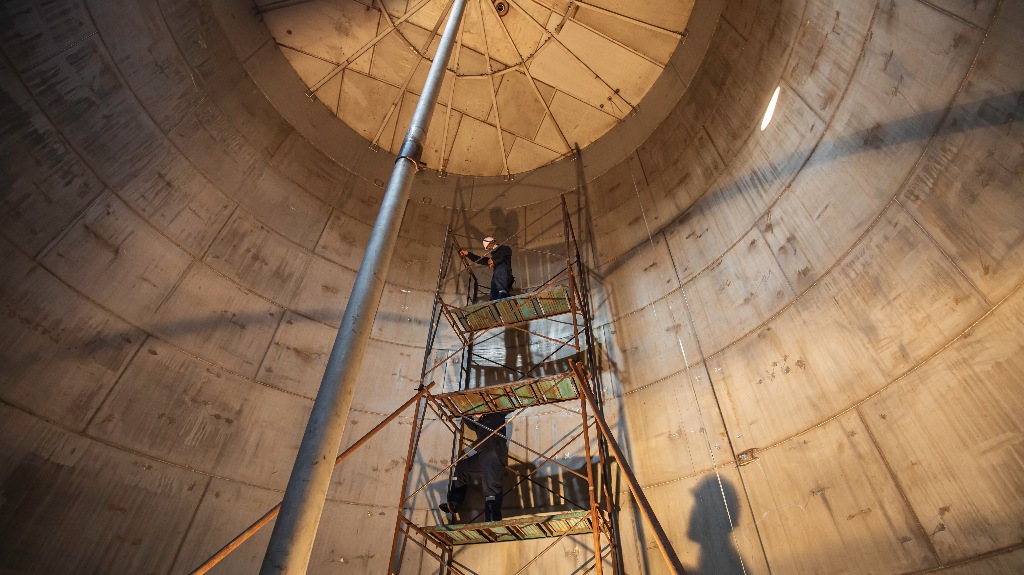
Oil and gas workers deal with many dangers at work, especially when they have to enter tight, enclosed spaces. These small spaces are found on ships, offshore drilling rigs, and in shipyards. Workers in these areas can be hurt by accidents, exposed to harmful chemicals, or even killed.
To help keep workers safe, employers should check these spaces for risks ahead of time, provide proper safety training, supply the right protective gear, and follow strict safety rules. Talk to a Houston oilfield accident lawyer today.
Confined Space Accidents in Houston Oil and Gas Settings
In 2019, the U.S. Coast Guard put out a safety alert warning about the serious dangers of working in tight, enclosed spaces at maritime job sites. The alert followed a tragic accident where three workers died from a lack of oxygen while working on an idle offshore drilling unit.
Several problems led to the accident, and the same problems can happen at other maritime job sites. These included not enough training for confined space work, missing safety equipment, and poor decisions by workers or supervisors. The Coast Guard shared the alert to warn people about the real and serious dangers of working in tight, enclosed spaces.
U.S. Coast Guard safety data shows that since 1996, about 310 people have been killed due to confined space accidents in the oil and gas industries. This includes 224 mariners or seamen and 86 workers based on shore. In 2023 alone, 31 people died in these kinds of accidents, and eight of those deaths happened during just one week in December.
What Constitutes a Confined Space?
Besides being small and tight spaces where it is hard to move around, confined spaces in the oil and gas industry usually have several other features:
- They are not meant for workers to stay in for long periods of time.
- They have only small or limited openings for getting in and out.
- They often have poor airflow, which can let toxic fumes build up or oxygen levels drop.
How Do Workplace Injuries Happen in Confined Spaces?
Working in a tight, enclosed space in the maritime industry can be dangerous, whether the space is on a ship, in a shipyard, or on an offshore rig. Common risks include:
Inhalation Injuries
Poor airflow is a big problem in small, closed spaces. When fresh air can’t get into the area, bad things can happen that can hurt or even kill a worker:
- Not having enough oxygen is one of the biggest dangers in enclosed workspaces. This is called asphyxiation, and it is the top cause of death in confined space accidents in all industries. For safety, oxygen levels in a confined space should stay between 19.5% and 23.5%. Levels can fall below this when there is little airflow or when rust and corrosion use up oxygen in the air.
- Breathing in toxic fumes is another danger in enclosed spaces. Because there is not enough airflow, harmful fumes can build up. These fumes can irritate a worker’s skin, eyes, or lungs, depending on the chemical. In some cases, the fumes can even cause death.
Physical Injuries
Workers in enclosed spaces can get badly hurt. Injuries can include crushing injuries, broken bones, neck, back, or headinjuries, burns, cuts, and other serious harm. These injuries happen more easily in small spaces for several reasons:
- It is hard to move around or use tools safely.
- It can be difficult to get out fast in an emergency.
- Lighting is often poor, making it hard to see hazards.
- Floors or surfaces may be slippery or uneven.
- Ladders may be rusty or have broken steps.
- Some work areas are raised off the ground and increase fall risk.
Fire is dangerous in any workplace, but it is even more dangerous in tight, enclosed spaces. Heat builds up faster in a small area and can cause serious burns very quickly. It is also harder for a worker to escape from a small space during a fire. Because airflow is poor, smoke can fill the space fast, and oxygen levels can drop, making it hard to breathe.
Who Is Liable for Confined Space Injuries?
Employers are required by law to provide a workplace free from recognized serious hazards. Oil and gas job sites are naturally dangerous, but good planning and simple safety steps can help reduce the risk of accidents and injuries.
Employers must find, review, and control the dangers in enclosed workspaces. This means gathering information about the risks, deciding how to handle them, and putting safety steps in place. They should also keep checking these safety steps and update them when needed.
Specific steps employers can take to make work in enclosed spaces safer include:
- Train workers for confined space jobs and allow only trained workers to enter.
- Test the air before and during entry and provide proper masks or breathing gear when needed.
- Provide the right safety gear and make sure workers use it.
- Use a buddy system so no one works alone in a confined space.
- Check on workers regularly while they are inside.
- Make sure entry points, exits, and work platforms are safe and in good condition.
- Keep ladders in good shape, secure them, and use portable ladders when needed.
- Install fall protection where there is a risk of falling.
- Provide enough lighting inside the space.
- Give workers backup or emergency lighting in case power is lost.
- Practice emergency drills for confined space accidents.
Laws Designed to Protect Injured Gas and Oil Workers

No matter where you work in the maritime industry, there are laws that give you options if you are hurt on the job. If you qualify as a seaman, the Jones Act lets you file a lawsuit for money damages when your injury was caused by someone’s negligence.
If you work on shore, you may be covered by the Longshore and Harbor Workers’ Compensation Act. This federal law provides workers’ compensation benefits, and you do not have to prove that anyone was negligent to receive them.
The Outer Continental Shelf Lands Act extends Longshore workers’ compensation coverage to certain offshore workers. It covers many people who work on oil rigs and platforms, including those hurt in confined spaces. This is also a type of workers’ compensation system. These laws also provide benefits to the family members of workers who die in job-related accidents.
Contact a Houston Oilfield Accident Lawyer
Texas law may allow injured workers to seek compensation after a confined space accident, but the type of claim depends on whether the employer carries workers’ compensation insurance. If you were hurt while working in one of these dangerous areas, you have legal rights. A Houston oilfield accident lawyer can review what happened and explain your next steps.
The lawyers at Parks Law help injured workers file claims, bring lawsuits, and seek the benefits they qualify for. They work to help clients recover money for medical bills, lost pay, and other losses. To schedule your free consultation, call us today at (713) 979-3500 or fill out the contact form on our website.