Defending Your Future: Navigating Maritime & Offshore Injuries in Texas
The maritime and offshore industries are essential to the Texas economy, particularly in cities like Houston. These sectors offer employment opportunities for thousands of people, but they also entail inherent dangers that can result in severe injury or even fatalities. From accidents on oil rigs to maritime accidents, workers face hazardous conditions daily. If you have suffered an injury while working offshore or on a marine vessel, it is imperative to understand your legal rights under regulations such as the Jones Act and how an experienced attorney can assist you in protecting your future.
The legal landscape surrounding these types of injuries is a unique world, distinct from standard personal injury law in Texas. It is a complex network of federal laws, judicial decisions, and international agreements that require the expertise of specialists. The classification of an individual as a “seaman” under the Jones Act or as a “covered employee” under the Longshore and Harbor Workers’ Compensation Act can significantly impact their claim, potential compensation, and recovery timeline.

Meet Ryan Parks: Founder & Attorney
What is Maritime & Offshore Injuries Law?
The law governing maritime and offshore injuries includes legal disputes arising from accidents that occur on navigable waters or in connection with energy sector operations. These incidents may include:
Jones Act Claims
The Jones Act provides seafarers who have been injured through the negligence of their employers or fellow crew members with the right to seek compensation for medical bills, lost wages, and emotional distress. However, becoming a “seaman” is a crucial and often disputed legal status. It requires you to contribute to the operation of a vessel, and you must have a significant relationship, both in terms of nature and duration, with a particular vessel or recognizable fleet of vessels. We carefully analyze your work history and duties to determine this significant status, which grants you the right to sue your employer directly for negligence, a right not available through standard workers’ compensation programmes.
Rig Accidents
Regardless of the cause – whether it is equipment failure, inadequate training, or unsafe working conditions – drilling rig accidents often lead to serious injuries. These incidents can range from catastrophic events, such as platform collapses and blowouts, to more common incidents, like slips and falls on oily decks, or being struck by swinging crane loads. Rig workers are often employed by contractors, which creates a “twilight zone,” where multiple companies can be held responsible for accidents. We conduct thorough investigations to identify all parties involved, including the drilling operator, rig owner, and third-party equipment manufacturers. This ensures that no one escapes accountability for their actions.
Offshore Platform Incidents
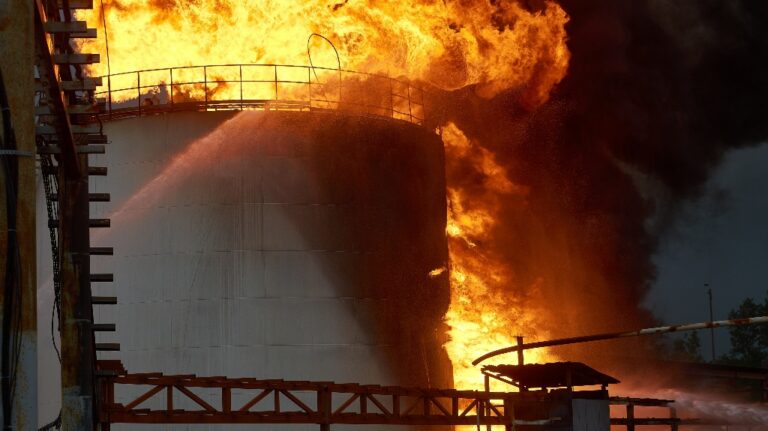
Personnel working on offshore platforms may be exposed to the risk of explosions, accidents, fires, and other hazardous incidents. The legal status of a platform worker depends on various factors, including the type of platform and its location. If the platform is located on the Outer Continental Shelf (OCS), the Outer Continental Shelf Lands Act (OCSLA) may apply, extending state law remedies to platform workers.
If the floating or movable platform is considered a “vessel,” Jones Act or general maritime law may also apply. It is important to conduct an initial jurisdictional analysis to determine which laws apply to a specific platform and worker. This requires expertise in the nuances of the definitions and case law governing these unique work environments, requiring an attorney.
Injured on a Houston Offshore Rig?
These situations necessitate a deep understanding of federal maritime laws, government regulations, and industry standards. A legal professional who is well-versed in the technical aspects of these environments as well as the legal framework governing them is crucial to ensuring equitable compensation.
The Unique Challenges of Maritime Injury Claims
Maritime injury claims present challenges that are not found in land-based cases. Evidence can be fleeting – a vessel may leave port, crew members may scatter globally, and crucial equipment may be repaired or replaced, erasing proof of a defect. The “maintenance and cure” doctrine, a fundamental principle of maritime law, grants injured seafarers immediate, no-fault compensation for living expenses (“maintenance”) and medical care (“cure”) until maximum medical improvement is reached. However, ship owners often unjustly deny or prematurely stop these benefits, necessitating aggressive legal action to ensure what is rightfully theirs while pursuing a larger negligence claim.
Why Choose Parks Law PLLC?
When it comes to handling marine and offshore injuries, having the right legal representation is essential. At Parks Law PLLC, we specialize in safeguarding the rights of oil workers, maritime personnel, and landowners in the energy industry, both in Houston and beyond. Our firm brings together nearly two decades of legal experience and in-depth industry knowledge to provide exceptional service to our clients.
Unmatched Industry Insight
Our founder, Attorney Ryan Parks, possesses a unique blend of legal knowledge and technical proficiency, which he applies to every case. With a background in petroleum engineering and geology, and coming from a family of fourth-generation energy professionals, Ryan has first-hand experience in solving operational issues faced by professionals in this field. This inside perspective allows us to uncover critical details that others might have missed, ensuring that nothing is left unchecked in the process of building your business.
We speak the language of the industry and have the ability to read and interpret various documents such as drilling reports, vessel logs, safety audit findings, and equipment schematics. This enables us to effectively communicate with expert witnesses and corporate representatives, avoiding the use of jargon that could lead to misunderstandings. We are able to pinpoint the specific deviation from standard operating procedures that caused your injury, thanks to our understanding of how these complex operations should be conducted. Our knowledge of what questions to ask allows us to gather all the necessary information to provide a clear picture of the incident.
A Track Record of Success
At Parks Law PLLC, we have successfully represented numerous clients in significant maritime and offshore injury litigation. We are well-versed in the complexities of federal maritime laws, including the Jones Act, the Longshore and Harbor Workers’ Compensation Act (LHWCA), and the Death on the High Seas Act (DOHSA). Our dedicated team works tirelessly to ensure that our clients receive maximum compensation for medical expenses, rehabilitation costs, lost income, and emotional distress.
Our litigation strategy is based on careful preparation. We work with maritime safety experts, naval architects, and vocational rehabilitation specialists to build a strong case. We understand that damages in maritime cases can be significant, including lost wages in the past and future (often at a high rate for skilled offshore workers), the full cost of medical care throughout life, pain and suffering, and, in cases of unseaworthiness, compensation for the physical and emotional distress caused by the vessel’s unsafe condition.
Client-Centered Approach
We firmly believe that every client deserves individualized attention and empathetic support during a challenging time in their lives. At Parks Law PLLC, we prioritize open communication, honesty, and promptness to ensure you are kept informed throughout the process.
Protect Your Future
An injury sustained at sea or on a ship can have serious consequences, both physically and financially. Without legal advice, you might agree to less than you deserve or miss out on benefits altogether. It’s crucial to work with a trustworthy lawyer who will protect your interests. Maritime employers and their insurance companies often offer quick, low-value settlements to injured workers before they fully understand the extent of their injuries and legal rights. These companies may pressure workers to sign a settlement in exchange for a small payment, trying to extinguish their more valuable Jones Act claims. We protect you from such tactics, ensuring that you do not give up your future for a small amount of money.
If you have been injured in a maritime or offshore accident in Texas, it is important not to wait to take legal action. Time is of the essence when it comes to filing lawsuits under the Jones Act or seeking other forms of compensation. While the Jones Act typically includes a three-year limitation period, delays can be detrimental to your case. Evidence may deteriorate, witnesses’ memories may fade, and the other side may use the delay to argue that your injuries were not serious. It is crucial to take immediate action to preserve evidence, obtain witness statements, and demonstrate the severity of your case
Contact Parks Law PLLC today for a consultation to learn more about how we can assist you. Our team of experienced attorneys will work with you to protect your rights and ensure that you receive the compensation you deserve. Do not navigate these complex legal waters alone. The laws and regulations are intricate, the opponents are powerful, and the consequences are your health and financial well-being. Let our experience, dedication, and successful track record in maritime and offshore personal injury law be your guide. We are dedicated to protecting your future, ensuring the compensation you deserve to recover, and holding negligent employers and shipowners fully responsible for the harm they have inflicted.
Common Maritime & Offshore Injuries FAQs
The Jones Act is a federal law that allows injured seamen to sue their employer for negligence, covering medical costs, lost wages, and pain and suffering.
This includes crew members on vessels, offshore oil rig workers, harbor workers, and other maritime employees injured on navigable waters or during offshore operations.
Report the injury to your supervisor, seek medical attention, document the incident and your injuries, and consult a maritime attorney before giving any formal statements.
Under the Jones Act, you generally have three years from the date of injury to file a lawsuit, but deadlines can vary—prompt legal advice is crucial.
Unlike Texas state law, maritime law often uses pure comparative negligence, meaning you can still recover damages even if you were mostly at fault, though your compensation may be reduced.
Yes, under laws like the Death on the High Seas Act (DOHSA) or the Jones Act, certain family members may be entitled to file a wrongful death claim.
Related Blogs
-
Offshore vs. Onshore Oil Rig Accidents: What Houston Workers Need to Know
Working in the oilfield industry is dangerous. Whether the job is on land or offshore, oilfield work is one of the most hazardous types of work in any industry. Both onshore and offshore drilling have the same goal: to remove oil and gas from beneath the ground. But where the drilling takes place makes a…
-
Houston Oilfield Incident Reporting: What Records Your Employer or Operator Must File & How That Helps Your Claim
In Houston, TX, the heart of the gas and oil industries, accidents are an unfortunate reality. When oilfield accidents occur, victims often find themselves struggling to cope with physical injuries, emotional trauma, and a litany of legal complications. For decades, the Texas oilfield injury attorneys at Parks Law, PLLC have stood as steadfast allies for…
-
Refinery Explosions in Houston: Why Negligence Is Often to Blame
Explosions and fires at oil refineries are extremely dangerous and can kill or injure many workers at once. In addition to smoke inhalation and severe burns, workers caught in an explosion may suffer concussions, broken bones, or other injuries from the combustion or while attempting to flee. They may also experience hearing loss, falls, or…